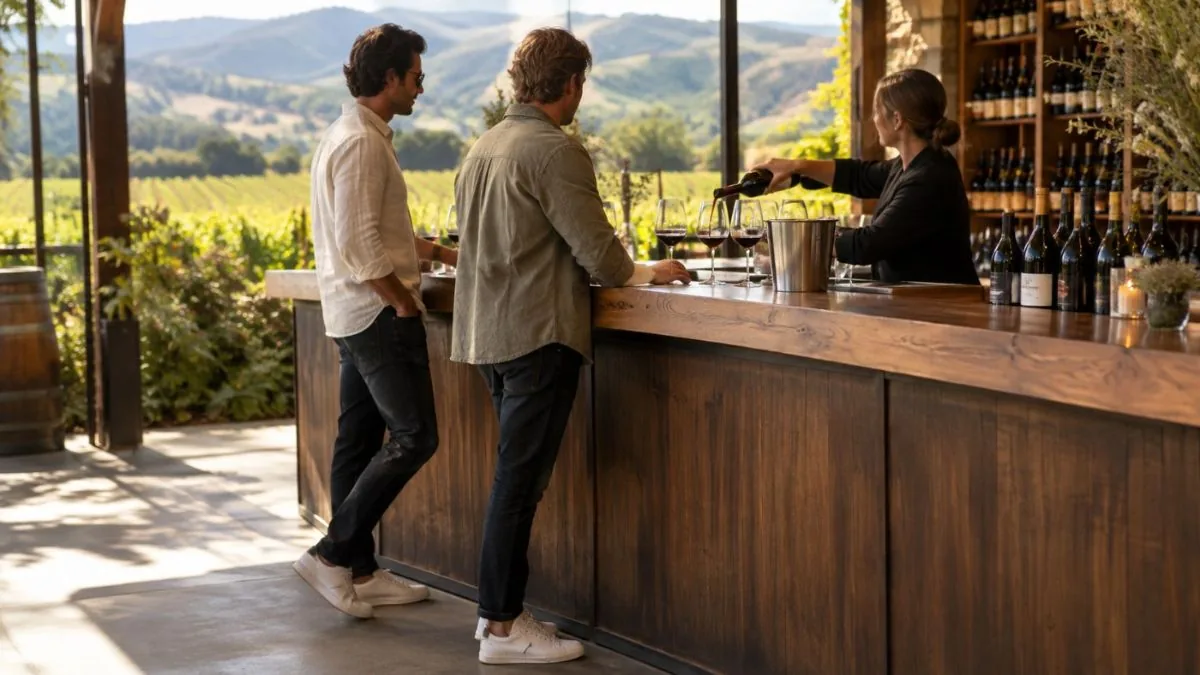
Booking choice: The picnic lunch wine tour, from $148 per person. Check dates Tour details
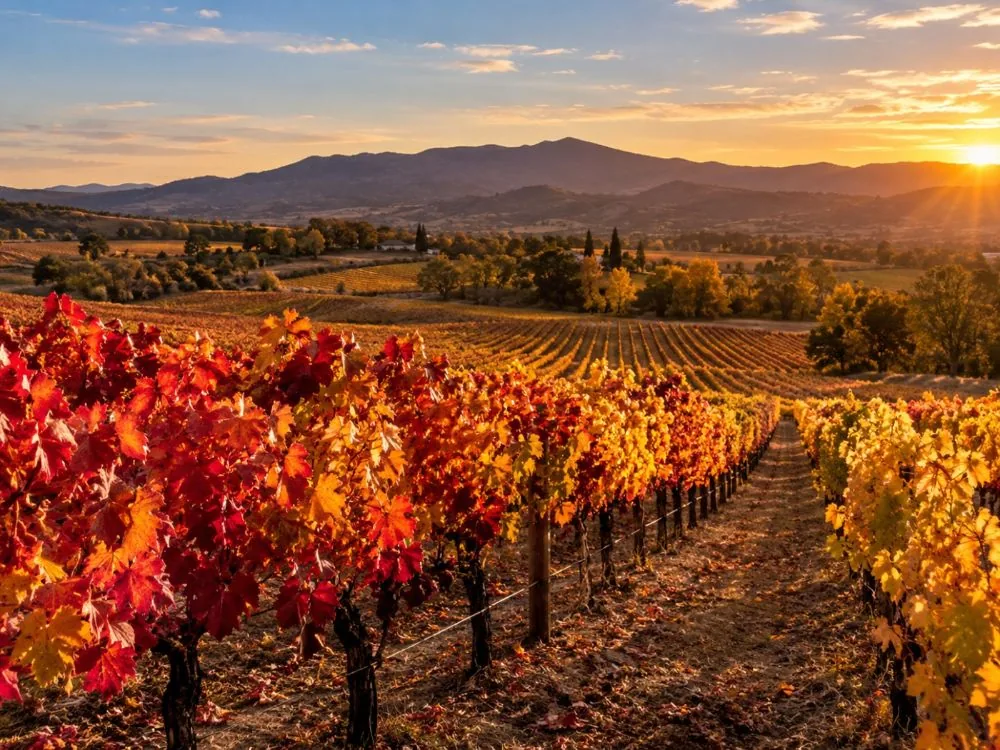
Napa is open all year, and there is no bad month to taste wine. What changes is the crowd, the price of a room and what you see out of the van window: bare vines and mustard in February, heavy clusters in September, red leaves in late October.
Below, the month-by-month picture with average highs, when harvest and mustard season run, how many days to give it and the things outside the tasting rooms worth your time.
The quick answer
September and October are harvest and peak season: the best atmosphere, the busiest roads and the highest prices. For warm weather with fewer people, go in May or early June, or in early November. January to March is the cheapest, with mustard in bloom and quiet tasting rooms, but expect rain. Give it two or three nights.
What is the best month to visit Napa Valley?
September or October for harvest, May or early November for good weather with fewer crowds, and February for the cheapest trip.
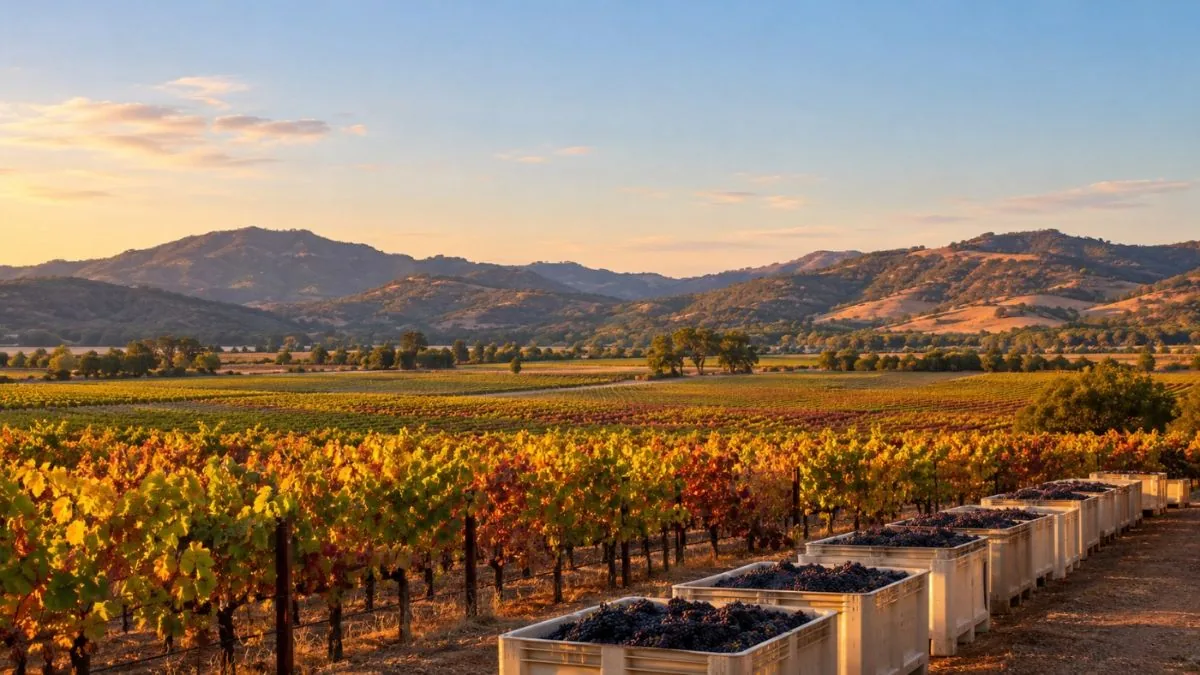
Harvest season is the classic time, and it shows. Visit Napa Valley calls September and October the busiest months, and Lonely Planet puts the price peak in October. You will see picking at dawn and smell fermenting must in the cellars. You will also pay the most and queue on Highway 29.
Our pick is the first half of November. Late reds are still coming in, the leaves have turned, highs sit in the mid 60s and the crowds have gone home. May is the other sweet spot: green vines, highs in the low 70s and no harvest pricing, but avoid BottleRock weekend over Memorial Day.
What is the weather like in Napa month by month?
Highs run from 57°F in December and January to about 80°F in September. Rain falls mostly from December to February.
Average highs at Napa County Airport, from Weather Spark, with what each month brings.
| Month | Avg high | In the vineyards | Crowds and prices |
|---|---|---|---|
| January | 57°F | Bare vines, mustard begins; 3.9 in of rain | Quietest, cheapest month |
| February | 61°F | Mustard in bloom; wettest month (4.3 in) | Quiet, low rates |
| March | 64°F | Mustard fades, hills green | Picking up |
| April | 69°F | New growth on the vines | Busier, high season starts |
| May | 73°F | Green vines, long evenings | Busy; BottleRock on Memorial Day weekend |
| June | 78°F | Warm days, cool nights | Busy |
| July | 79°F | Grapes ripening | Busy, hot up-valley |
| August | 79°F | Harvest begins | Busy, prices rising |
| September | 80°F | Crush in full swing | Busiest, expensive |
| October | 75°F | Crush, red and gold leaves | Peak prices |
| November | 64°F | Last reds picked, leaves fall | Calmer; holiday closures |
| December | 57°F | Dormant vines; 4.0 in of rain | Quiet; holiday closures |
Book your harvest date early: three boutique wineries and a picnic, free cancellation up to 24 hours before.
Check dates for the picnic lunch wine tourWhen is harvest season in Napa?
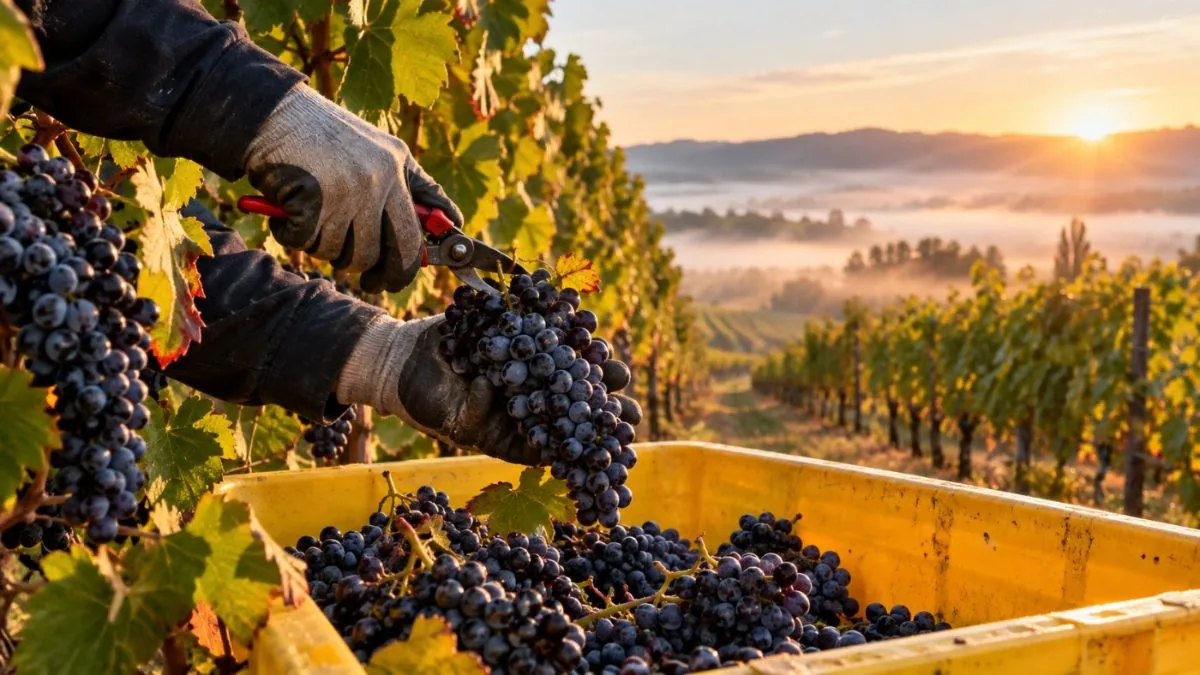
Harvest usually starts in August, crush peaks in September and October, and some reds are picked into early November.
Sparkling-wine grapes come in first, then white varieties, then Cabernet Sauvignon last, often in October. Picking starts before dawn, when the fruit is cool, so you rarely see crews at work from a midday tour. The 2026 harvest post has this year's progress.
Book early for September and October. Lonely Planet suggests reserving autumn rooms at least four months ahead, and the most popular wineries fill their slots weeks out. A tour with standing reservations, such as the picnic tour, saves you that work. The trolley does the same from Oxbow.
When is mustard season in Napa?
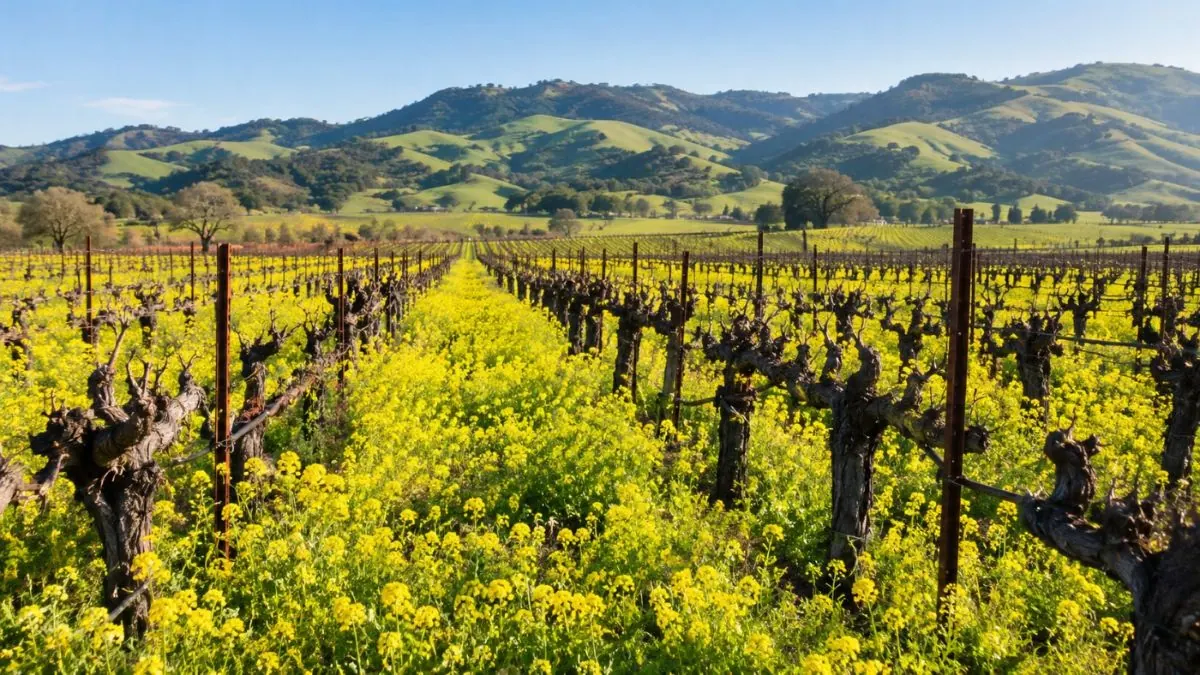
From January to March, depending on the weather. Wild mustard flowers bright yellow between the bare vines.
Mustard season is Napa's best-kept bargain. The vines are dormant, the mustard carpets the rows, tasting rooms are quiet and hosts have time to talk. January is the cheapest month for rooms.
The trade-off is rain: February is the wettest month at about 4.3 inches. Open-air options such as the trolley and the e-bike tour are less fun in a downpour, though one trolley guest reported, "Had a wonderful time, despite rain. They sent a bus." Pack a waterproof and plan indoor tastings and caves.
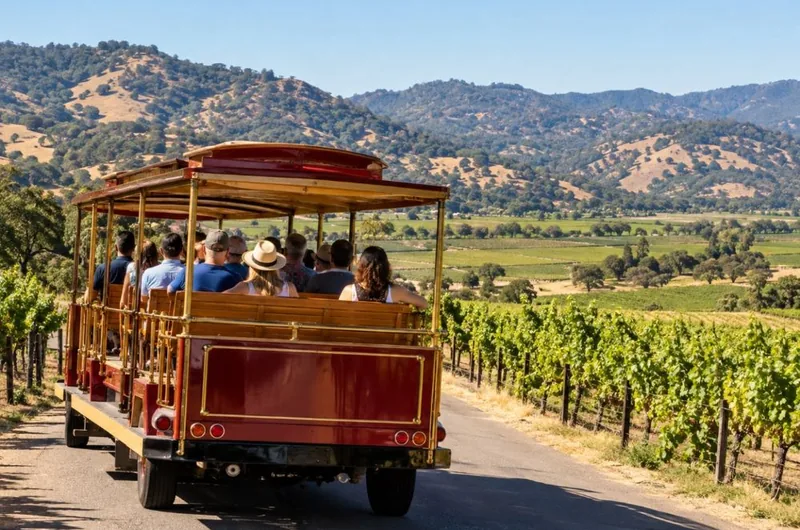
An open-air trolley from Oxbow Public Market to three wineries, with lunch at one of them.
Explore the open-air trolley tour Tour detailsWhen is Napa cheapest and least crowded?
January is the cheapest month, and Monday to Thursday is quieter than any weekend. Avoid October weekends and BottleRock weekend if you can.
- Cheapest: January to March, per Lonely Planet.
- Busiest: August to October, with October the peak.
- Avoid: BottleRock Napa Valley, a three-day festival at the Napa Valley Expo over Memorial Day weekend (it began on May 22 in 2026), which fills every room in town.
- Traffic: driving the valley end to end takes about 30 minutes in winter and closer to 50 in high season, says Frommer's. Use the Silverado Trail.
- Holidays: Castello di Amorosa and Domaine Carneros, among others, close on Thanksgiving and Christmas Day and shorten hours on Christmas Eve.
Weekdays matter more than months. A Tuesday in October is calmer than a Saturday in May. V. Sattui's free three-wine flight runs Tuesday to Thursday only; the cost guide has more ways to save.
How many days in Napa is enough?
Two or three days for most people. One day gives you a taste; Visit Napa Valley's own first-timer plan runs four.
At two or three wineries a day, a single day covers under 1% of what is open. With two days you can do one guided day and one day of your own choosing, say Mondavi and Domaine Carneros in the south and Sterling and Castello up north. Three days adds the train, a spa in Calistoga or a balloon at dawn. Visit Napa Valley's first-timer's guide is a four-day plan.
Only have one day from San Francisco? Take the half day to stay in Napa, or the Napa and Sonoma tour for both valleys. All the tours compared shows which spends longest in Napa.
What should you not miss in Napa?
Yountville's restaurants and bakery, a mud bath or mineral pool in Calistoga, a sunrise balloon flight, Oxbow Public Market and at least one cave or barrel room.
- Yountville. The French Laundry holds three Michelin stars and books via Tock; Bouchon Bakery opens at 7am for those who didn't get a table.
- Calistoga's hot springs. Geothermal water and volcanic ash make the mud baths and mineral pools at Indian Springs, Dr. Wilkinson's, Solage and others.
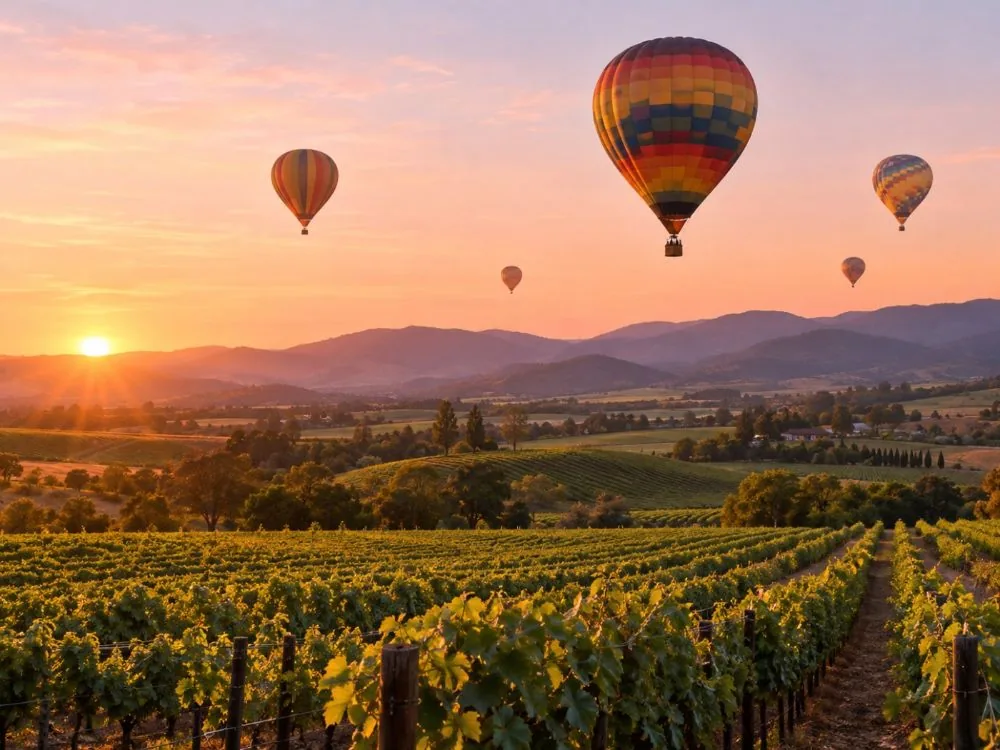
- A balloon at sunrise. About an hour in the air and up to 3,000 feet, from about $275 to $299 per person; flights can be cancelled for fog, rain or wind (napavalley.com).
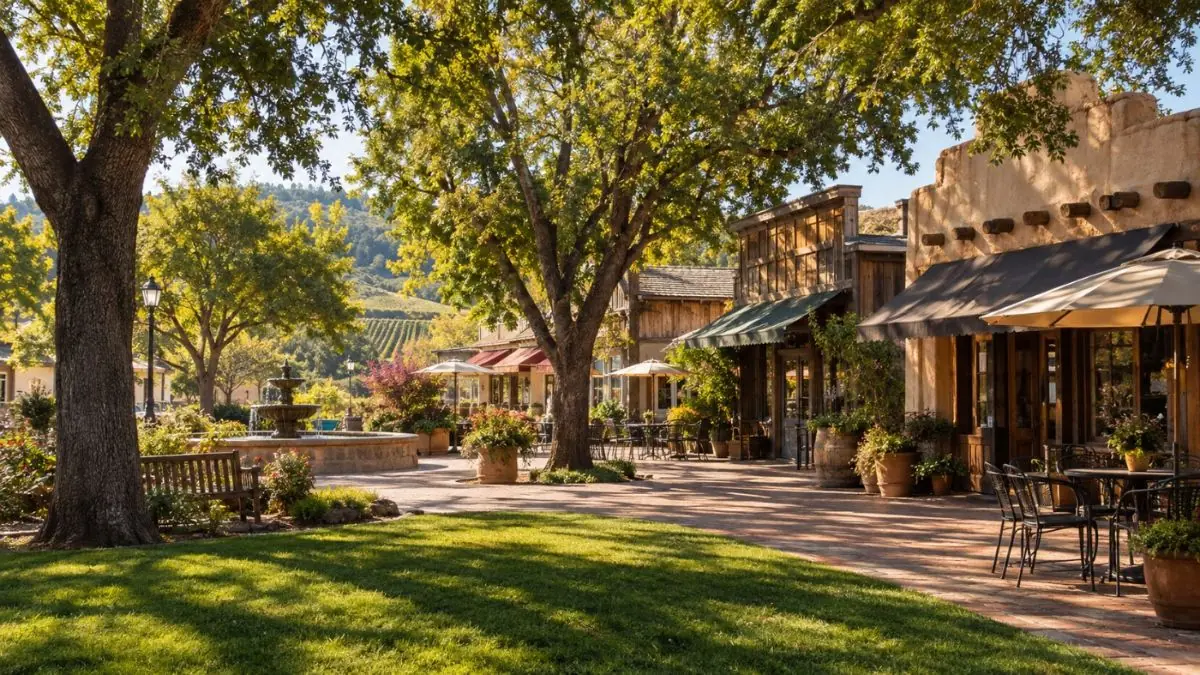
- Oxbow Public Market. Over 20 merchants on First Street, open 7:30am to 9pm daily, and the start of the trolley tour.
- A cave or barrel room. Castello di Amorosa's underground tour, or any of the barrel rooms on the picnic tour.
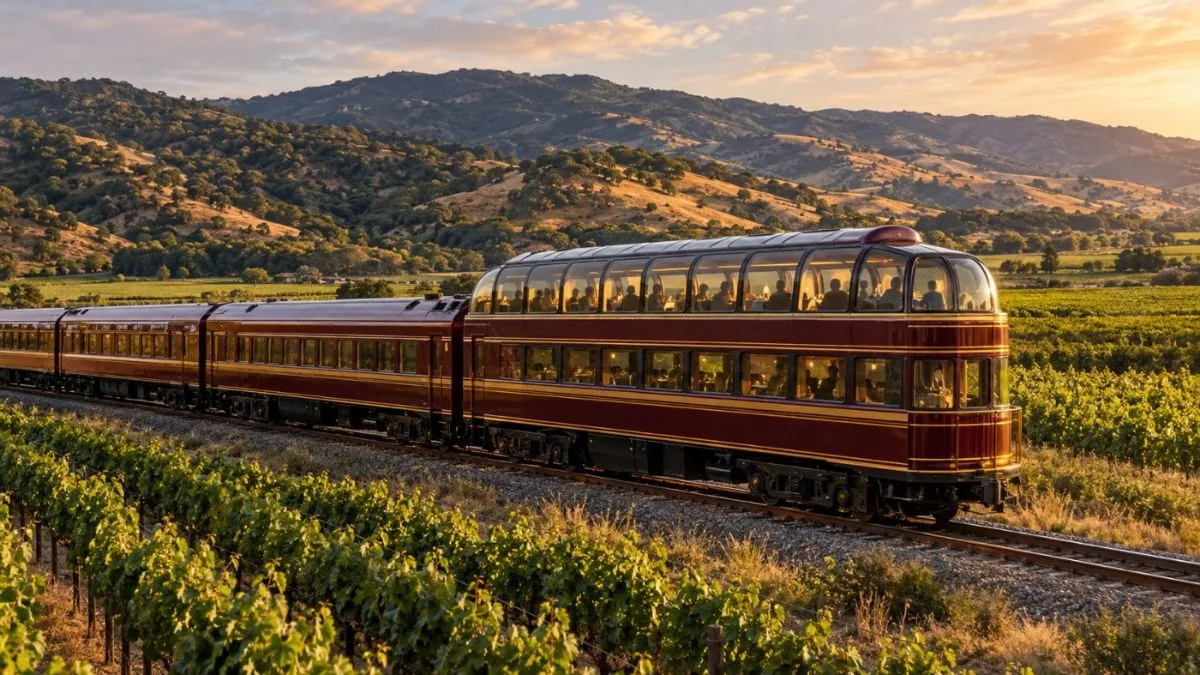
- The Wine Train. Not for the wine, for the lunch: see the Wine Train guide.
What time of day is best for wine tasting?
Start at 10 or 11am, take lunch at the second winery and finish by 4pm. Most tasting rooms take their last guests in the afternoon.
Many Napa tasting rooms open around 10am and plenty stop seating by 4pm; a few, like Domaine Carneros (last seating 5pm) and V. Sattui (open to 6pm), go later. Summer afternoons up-valley can pass 100°F (Sterling stops its gondola when they do), so take the outdoor terraces early. In winter, pick the caves for the afternoon. Timings and closing hours are in how to plan a Napa wine day.
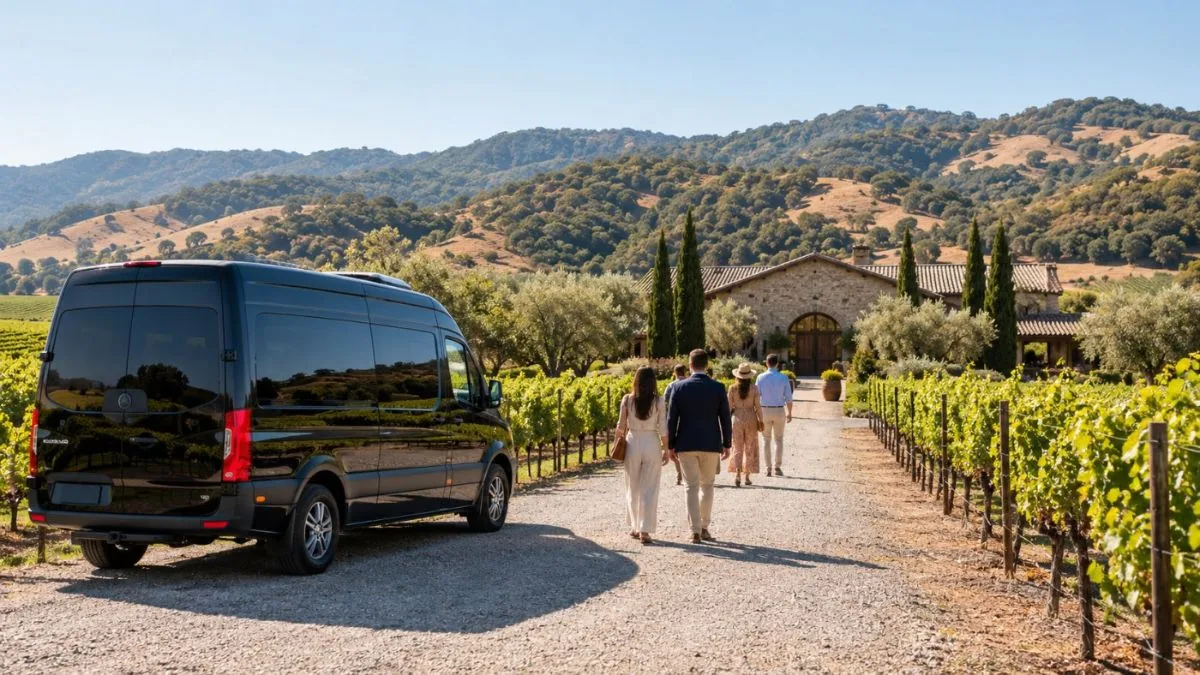
A full day with the timings done for you: pickup, three wineries, a picnic and back by evening.
Check dates for the picnic lunch wine tourFrequently asked questions
What is the best month to visit Napa Valley?
September and October for harvest, May or early November for warm weather and fewer crowds, and January to March for the lowest prices and mustard season.
How many days in Napa is enough?
Two to three days for most visitors: one guided day, one day of your own picks and time for a spa or balloon. Visit Napa Valley's first-timer plan runs four days.
When is the cheapest time to visit Napa?
January is the cheapest month, and weekdays cost less than weekends year round. October is the most expensive.
Does it rain in Napa in winter?
Yes. February is the wettest month at about 4.3 inches, followed by December and January. Summer and early autumn are almost dry.
Ready to book
Choose your tour
Free cancellation up to 24 hours before on every option. Prices are from-prices in USD and move with the season.
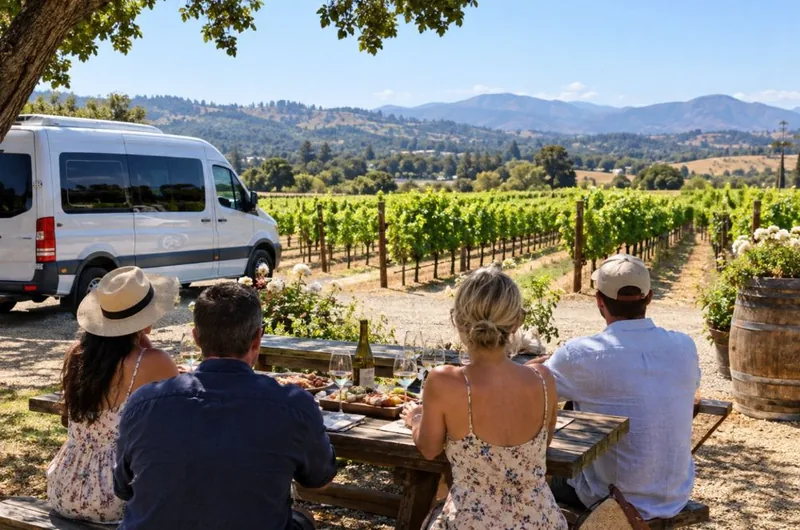
Napa Valley Wine Tour with Picnic Lunch
- Three boutique wineries, about an hour at each
- Pickup in Napa, Yountville, St. Helena or American Canyon
- Picnic lunch and bottled water
Open-Air Trolley Wine Tour with Lunch
- Three of five partner wineries, such as Napa Cellars
- Open-air trolley from Oxbow Public Market and back
- Lunch at one of the wineries
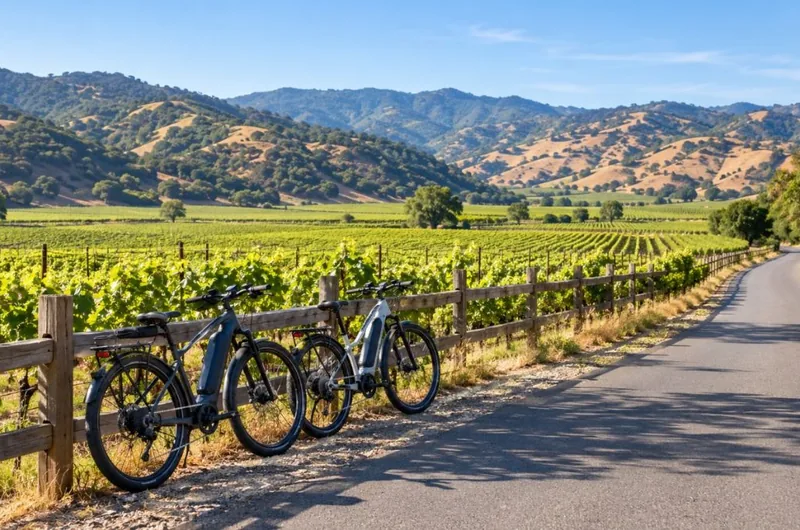
Guided Winery E-Bike Tour from Yountville
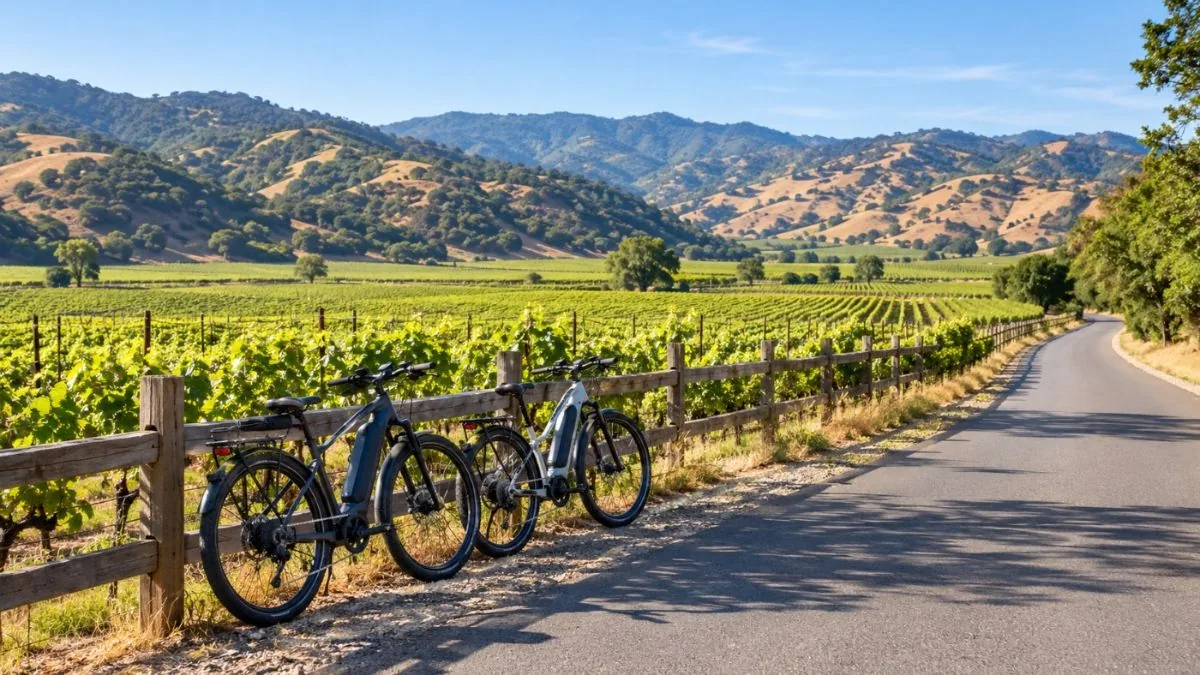
12 to 17 flat miles by e-bike with one or two winery stops